Mastering Context Switching Is Essential for Every Software Side Hustler (Part-1): Complaining Context Switching is more like whining
Interruptions are a normal part of software development.

In this series:
Part-4: Advice: Keep it Simple * (upcoming)
Part-5: Advice: Break a large task into completable small ones *
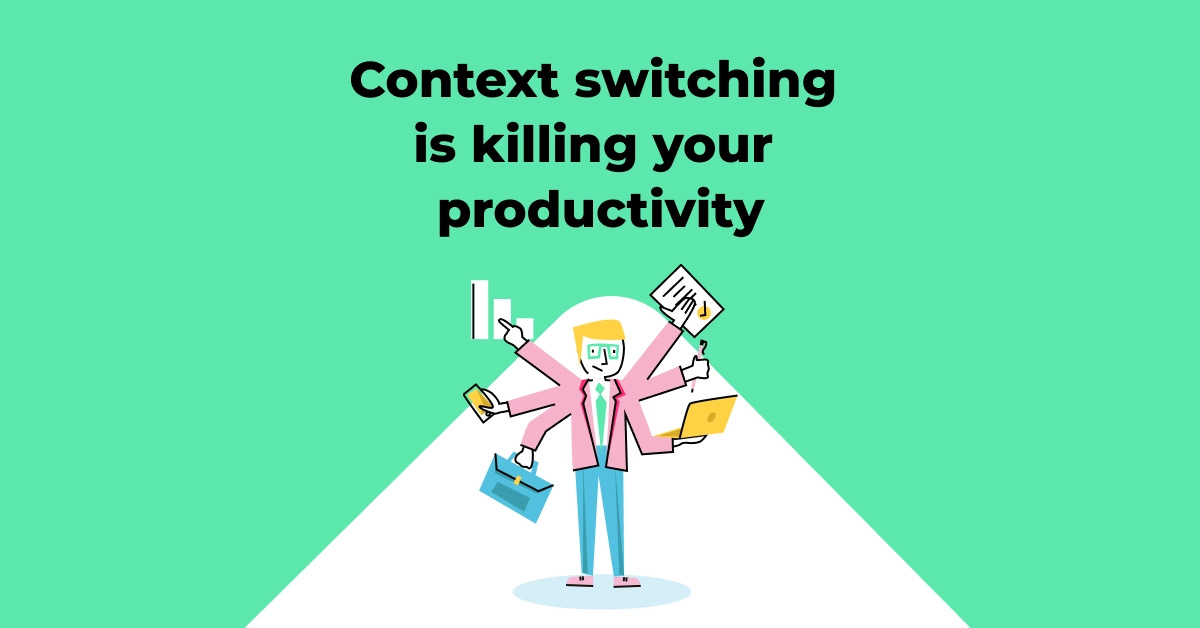
In the software industry, many have heard this phrase, “Context Switching Kills Productivity”, commonly used by junior or mid-level programmers to express they don’t like meetings, or when they reject a new upcoming work, or fix a new defect caused by their recent check-ins.
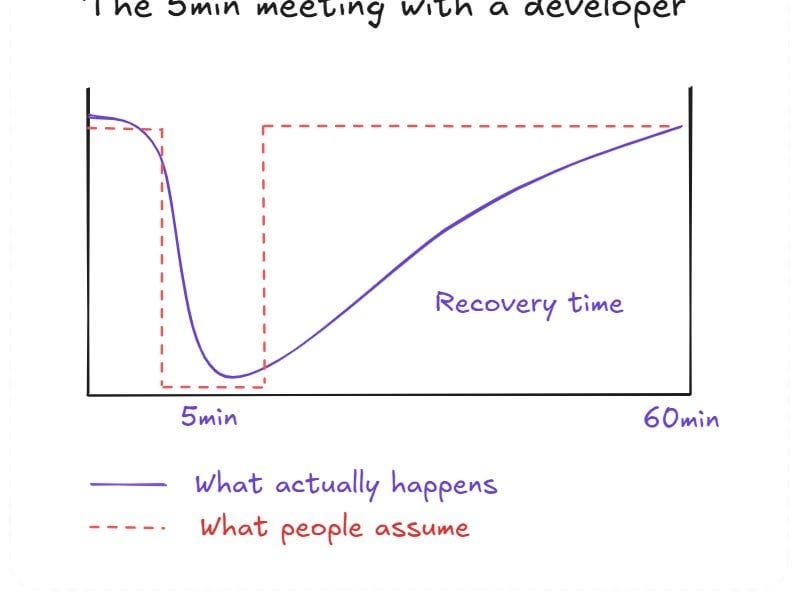
The supporter of this view can borrow various research to support this.
I largely disagree with the above; it strikes me as an extreme position (though the opposite extreme isn’t good either).
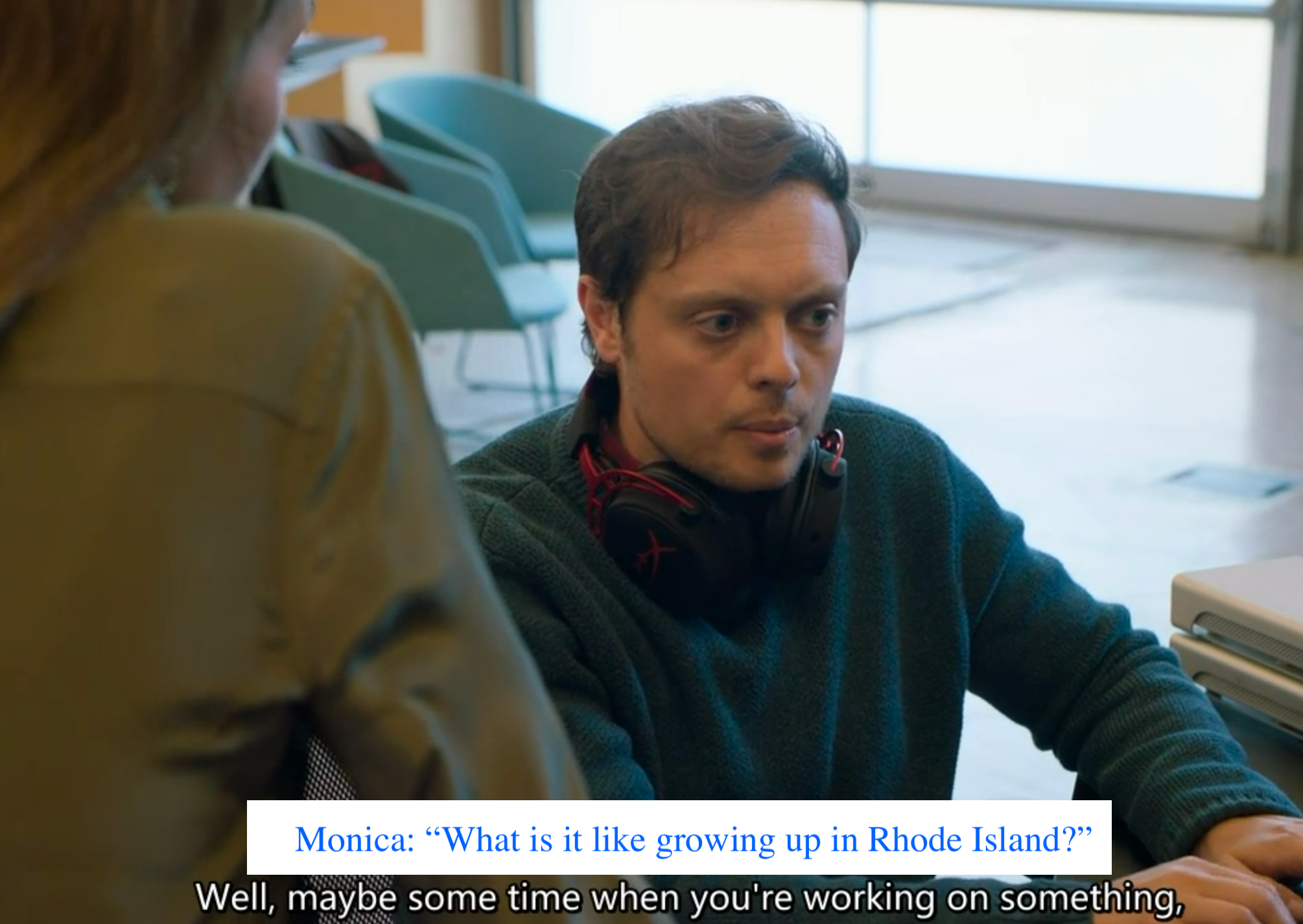
Interruptions are a normal part of software development, and from my observations, truly exceptional programmers (10x+) tend to handle them much more effectively
The Reality of the “Meeting Culture”
Despite the common knowledge that meetings are the primary interrupters of deep work, little has changed at most companies. Software development remains bogged down by an endless cycle of scheduled ceremonies, including:
Daily Stand-ups: Often stretching far beyond a quick check-in.
Sprint Planning
Story Point Estimation: A process that often feels more like “pure silliness” than a practical metric.
Retrospectives, mostly ineffective as no actions.
Bug Triaging
These are just the scheduled interruptions; they don’t even account for the spontaneous “pop-in” meetings that occur throughout the day.
In a practical sense, complaining about context switching is more than just whining—it’s a systemic issue. Realistically, an individual software engineer has very little power to change this structure.
Self-Inflicted Context Switching
It’s not just meetings that break our focus; software professionals often engage in voluntary context switching. Since developers spend their entire day at a computer, it has become common practice to browse non-work-related sites—such as real estate listings or crypto trading platforms—directly from work devices. This has become a norm that most managers will accept, provided it doesn't become excessive.
If so, why not mention “a 5-minute browser real estate website will take 20 minutes recovery time to get back to work”?
The rise of smartphone apps—like TikTok, Facebook, and WeChat—has made this issue even more extreme. I’ve seen this firsthand while coaching; even with a mentor sitting right next to them, some testers couldn't resist the urge to stop working just to check their phones.
So, we know that context switching affects productivity, yet management doesn’t seem to be taking it seriously, and staff distraction is on the rise. Therefore, instead of complaining, there may be practical technical ways to reduce the impact of these distractions, especially for ambitious software professionals who work on side projects.
Related reading:
“What’s in this Newsletter for Me?” series